
U.S. based Guyanese in Washington, D.C. celebrate Guyana’s 60th Independence Anniversary
Pelham VanCooten
June 27, 2026

Guyana Tapestry family,
A quick reflection on the milestone of Guyana’s 60th independence anniversary. Yes, on May 26th Guyana celebrated 60 years of independence, a diamond jubilee. And rightly so, lots of fanfare and festivities marked the auspicious occasion. While we missed the celebrations in Guyana, we had the good fortune to celebrate a bit in the diaspora. The Embassy of Guyana in Washington, D.C. under the leadership of Ambassador Samuel Hinds was joined by dozens of U.S. based Guyanese at a reception at the Organization of American States (OAS). Guyana’s Minister of Foreign Affairs and International Cooperation, Hugh Todd participated and shared some sobering remarks, some of which we shared on the platform.
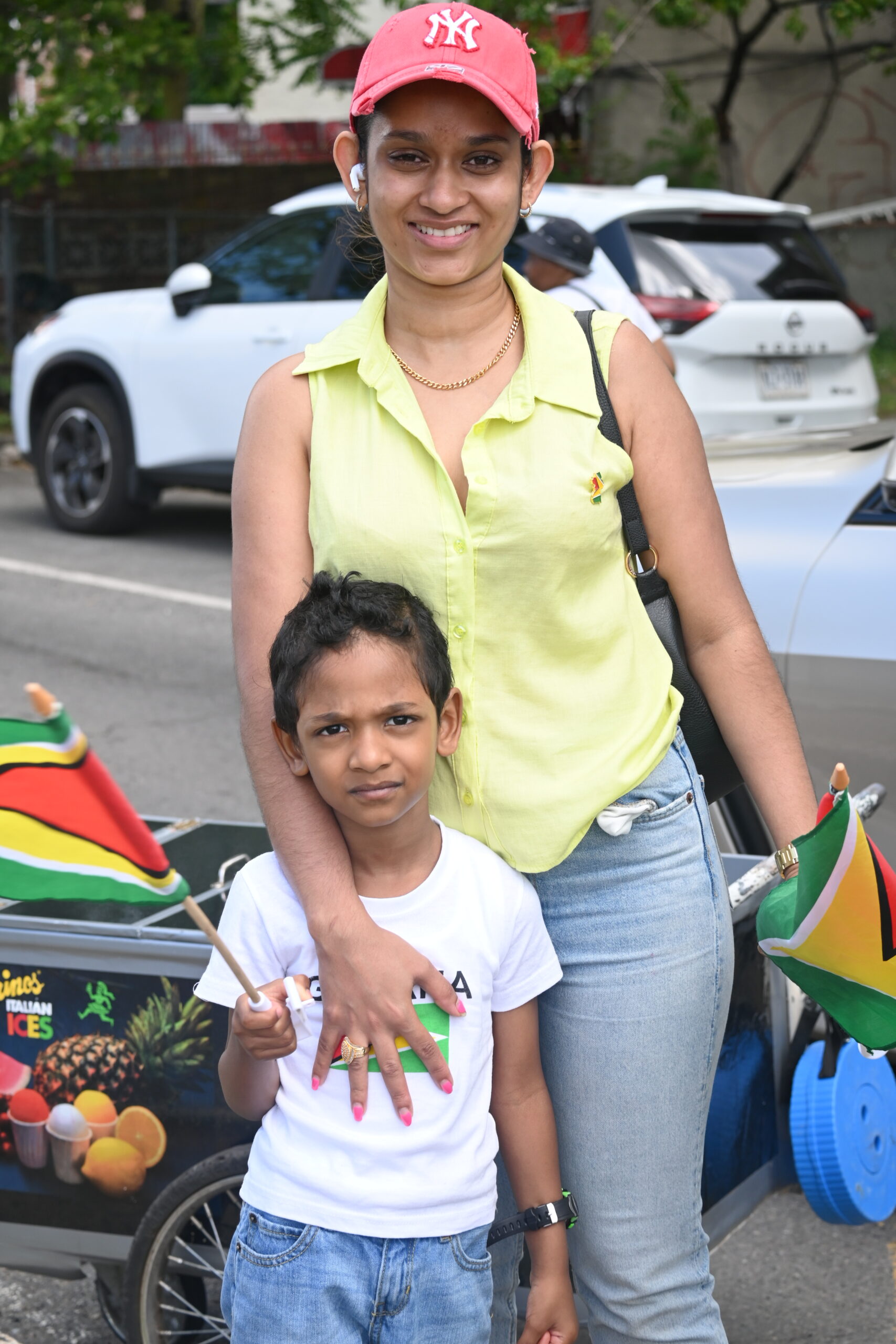
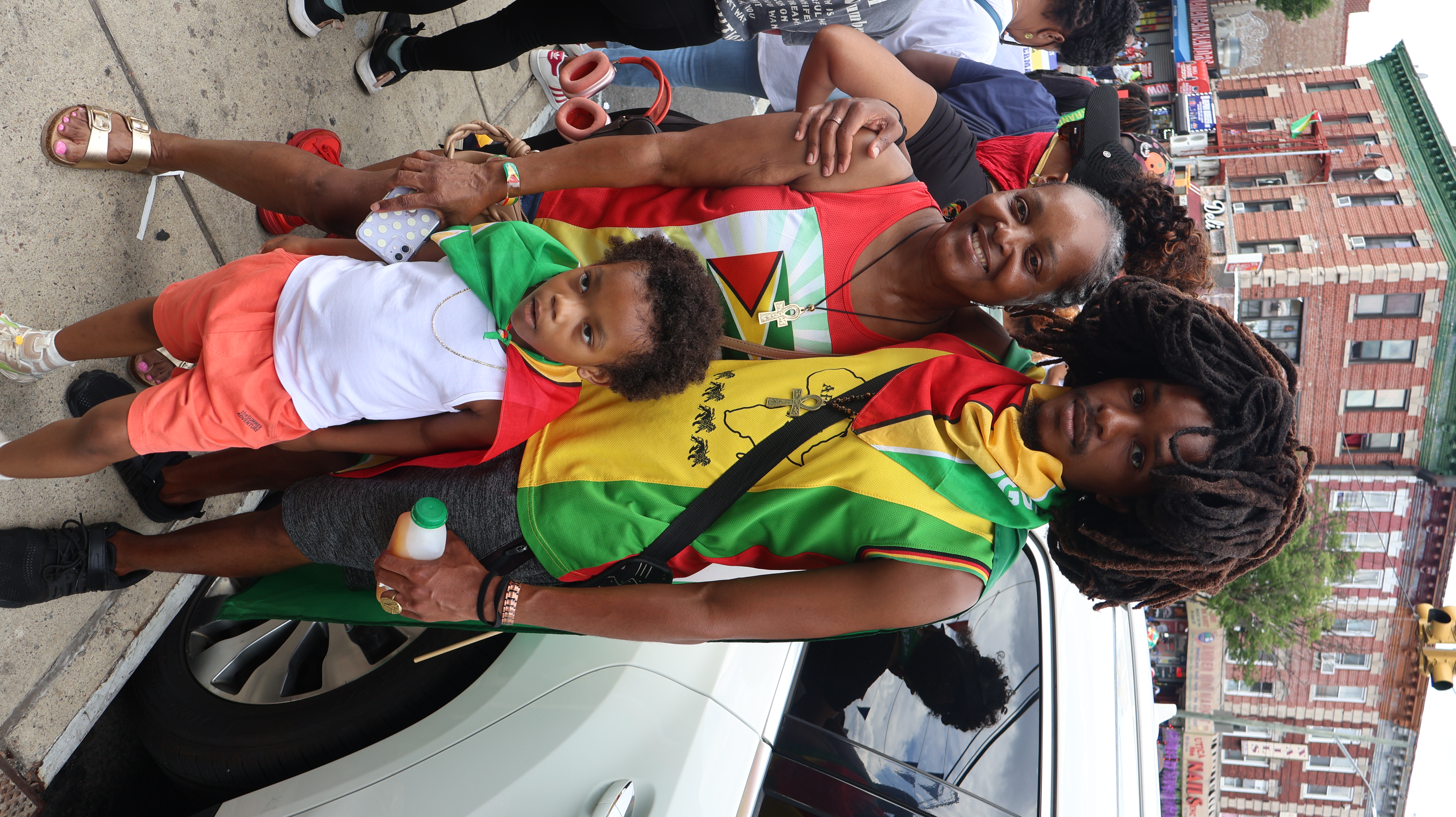
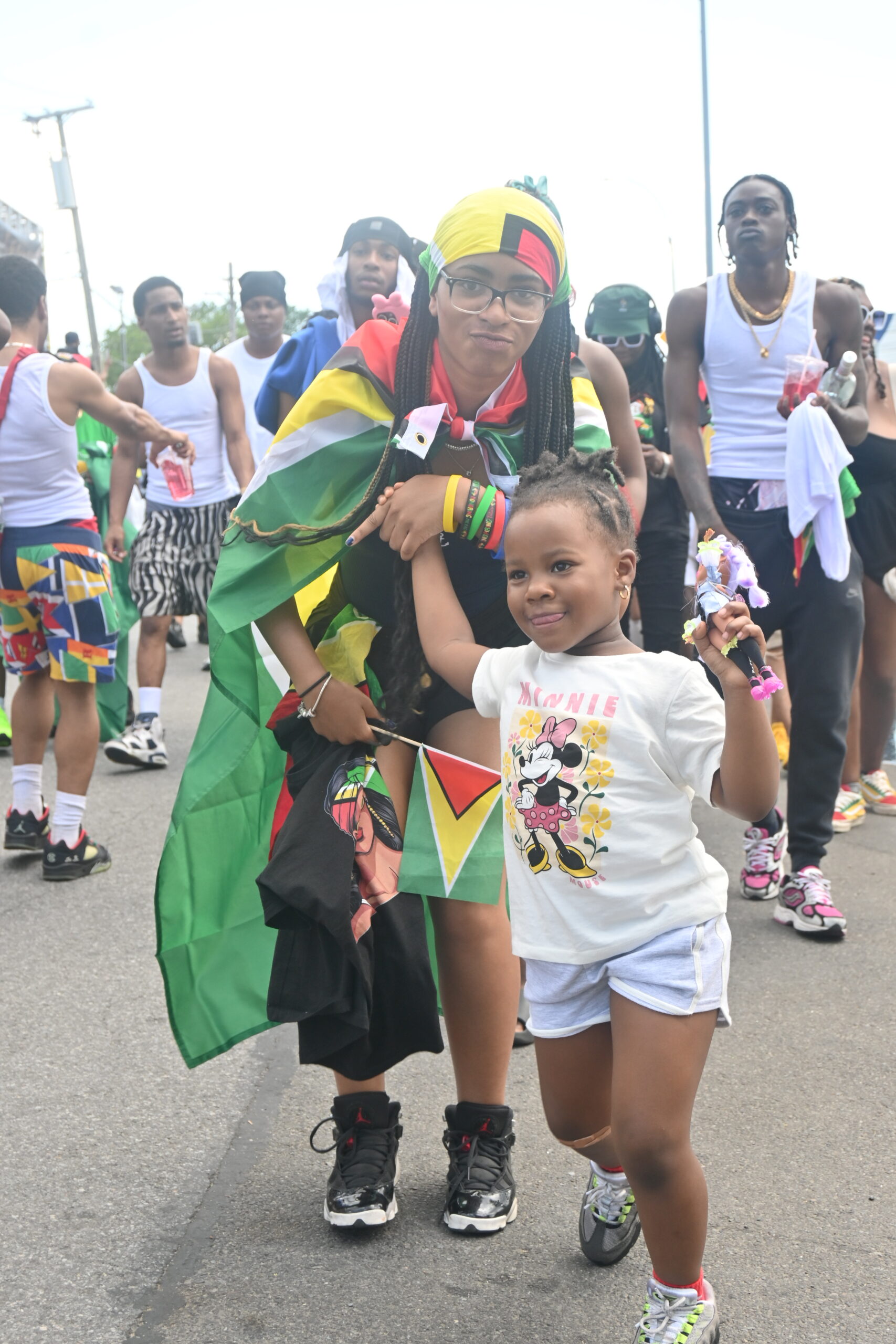
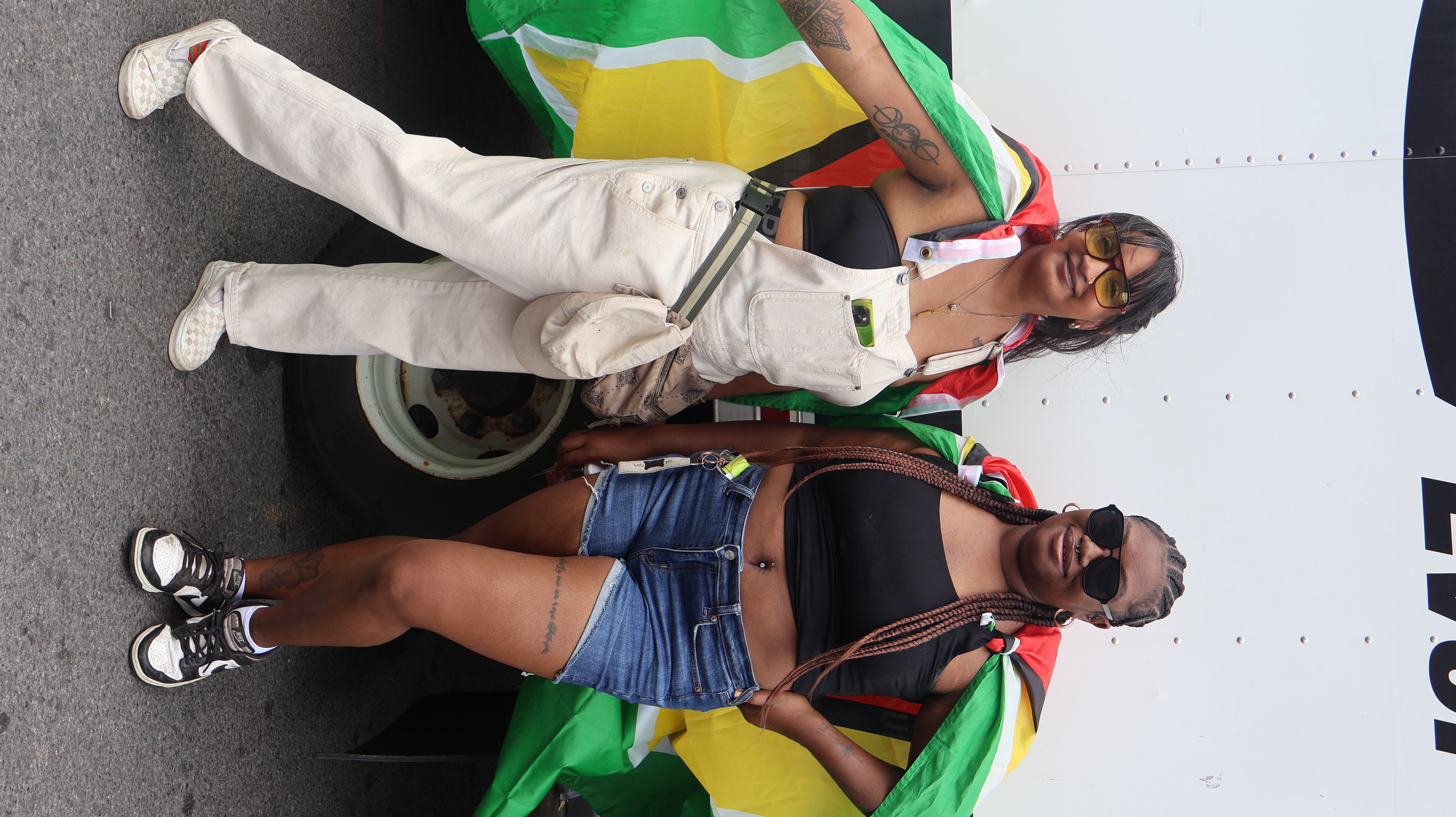
Then the celebrations continued earlier this month with the Guyana Independence Parade organized by the Guyana Independence Celebration Committee NY. Thousands of Guyanese, their families and friends converged at the intersection of Utica and Church Avenues and tramped through the streets of Brooklyn for what was a spectacle of pride in heritage and community. It culminated with the Unity Concert on Foster Avenue in Canarsie. The warm and engaging presence of political representation from both the United States and Guyana made the experience even more significant especially for a first-time participant observer coming all the way from Maryland. This was the 10th year since the parade started.
Though the two celebrations happened at different times, in different cities, under very different circumstances, and with entirely different participants, they shared one common feature, a deep sense of pride in nationhood and the progress the Cooperative Republic or Guyana. Then came one of the most noticeable and resonant comments or observations emerging from the online interactions, your interactions Guyana Tapestry’s coverage of the events. Folks observed the large numbers of Guyanese who live outside of Guyana. They questioned how come we love we country and heritage so much, but nuff uh we live elsewhere. And some of those thousands rep’n the golden arrow head don’t even return to and in some cases never even been to Guyana.


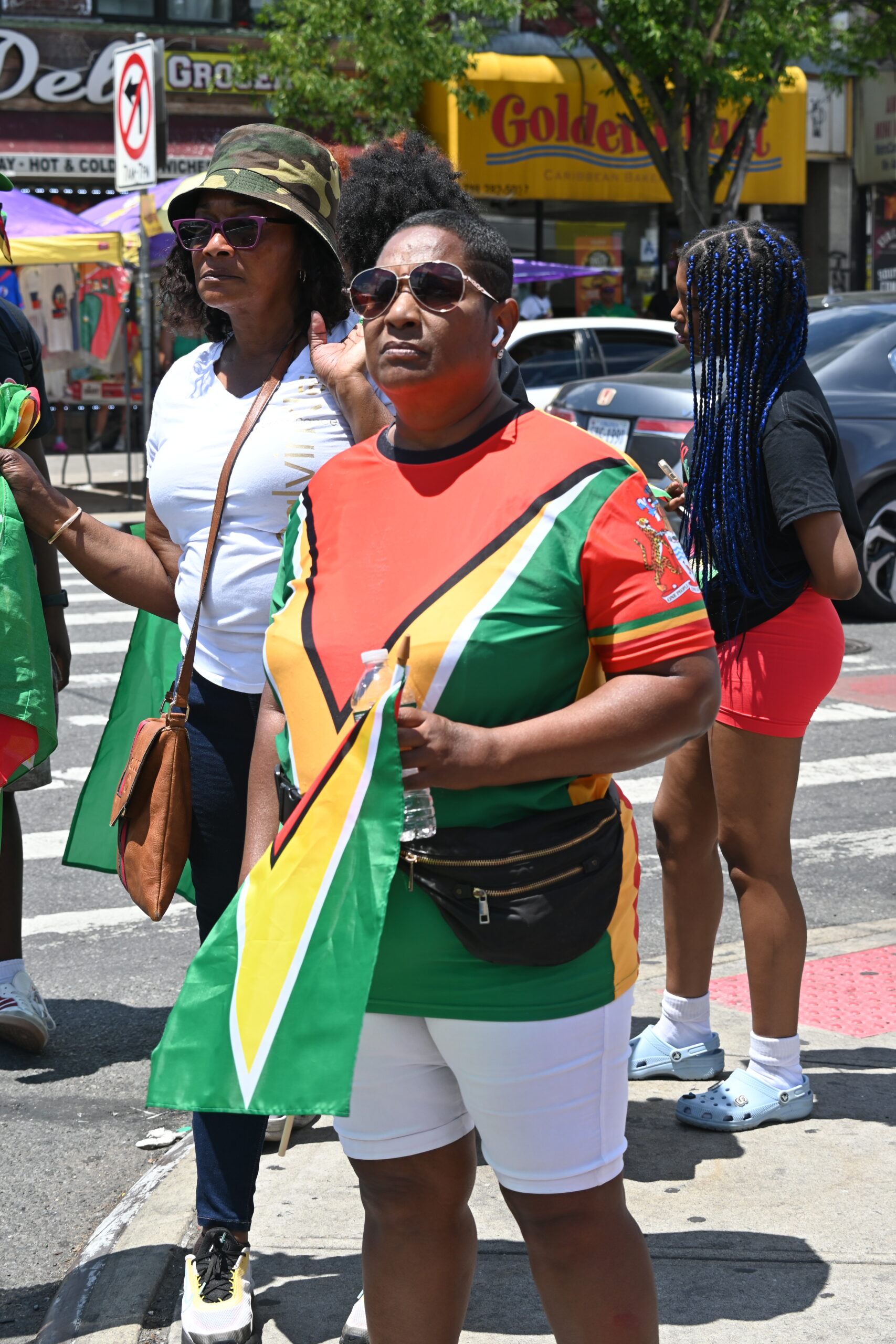

Yes, this leads to the sometimes uncomfortable issue, the rates of external migration from Guyana over the years. But any honest assessment of Guyana’s independence from the vantage point of the diaspora must consider how we got here. When Guyana gained independence in May 1966, Forbes Burnham and Dr. Cheddi Jagan envisioned a nation that would be politically sovereign, economically self-reliant, and capable of providing opportunity for its citizens. Yet one of the most striking features of Guyana’s post-independence history has been the migration of hundreds of thousands of Guyanese to North America, the Caribbean, Europe, Africa, and elsewhere.
The fact of the matter is that many Guyanese felt that the economic objectives of independence were not fully realized during the first few decades or so of nationhood. Successive generations left in search of higher wages, better educational opportunities, more stable political environments, and improved living standards. During the 1970s and 1980s, economic decline, shortages of basic goods, foreign exchange restrictions, and political tensions helped to accelerate emigration. By the 1990s and 2000s, migration had become embedded in the national experience, with more and more families viewing overseas opportunities as the pathway to economic advancement.
Politically, independence succeeded in that Guyanese governed themselves. The colonial era ended overtly, national institutions were established, and Guyana maintained its sovereignty through periods of regional and global change. Ethnic political polarization and periodic disputes and instability over elections were key drivers of external migration and hindered the goal of strengthening a national identity and unity. Economically, Jagan’s vision of reducing inequality and ensuring that national wealth benefited ordinary citizens plus Burnham’s goal of economic self-sufficiency and national control of resources achieved mixed results. There were periods of expansion and development, but also decades marked by economic hardship, debt, and outward migration. For many Guyanese, the promise of independence seemed more attainable abroad than at home.
The Guyanese diaspora remains an asset to the county. For decades, remittances from overseas Guyanese have supported families, funded education, financed businesses, and help sustain communities. Diaspora professionals contribute expertise, investment, and international networks that help shape Guyana’s development. Today, Guyana’s oil-driven economic transformation adds a new dimension to this narrative. It raises the question of whether this new prosperity can help achieve the objectives that animated the independence struggle: creating broad-based economic opportunity, strengthening democratic institutions, reducing inequality, and making Guyana a place where citizens choose to build their futures rather than feeling compelled to seek them elsewhere.
This is Guyana Tapestry. Here we are telling Guyana’s immigration story. Until our next story, it’s one love GT!
Guyana’s rate of external migration after independence seems to highlight the gap that existed between aspiration and reality. Independence delivered political sovereignty in 1966. The ongoing challenge for Guyana’s leadership has been transforming that sovereignty into sustained economic opportunity and social cohesion for all its people. And while how many Guyanese left may impact perceptions of success, the extent to which future generations see Guyana as the best place to pursue their dreams offers a more promising perspective.